
Gazen Ergos field note
Men’s Fashion Trends 2023
By Milan Petrov
Men’s fashion in 2023 moved towards relaxed proportions, practical layers and familiar clothes worn in less rigid ways. Wider trousers replaced narrow cuts
Field note published August 14, 2026.
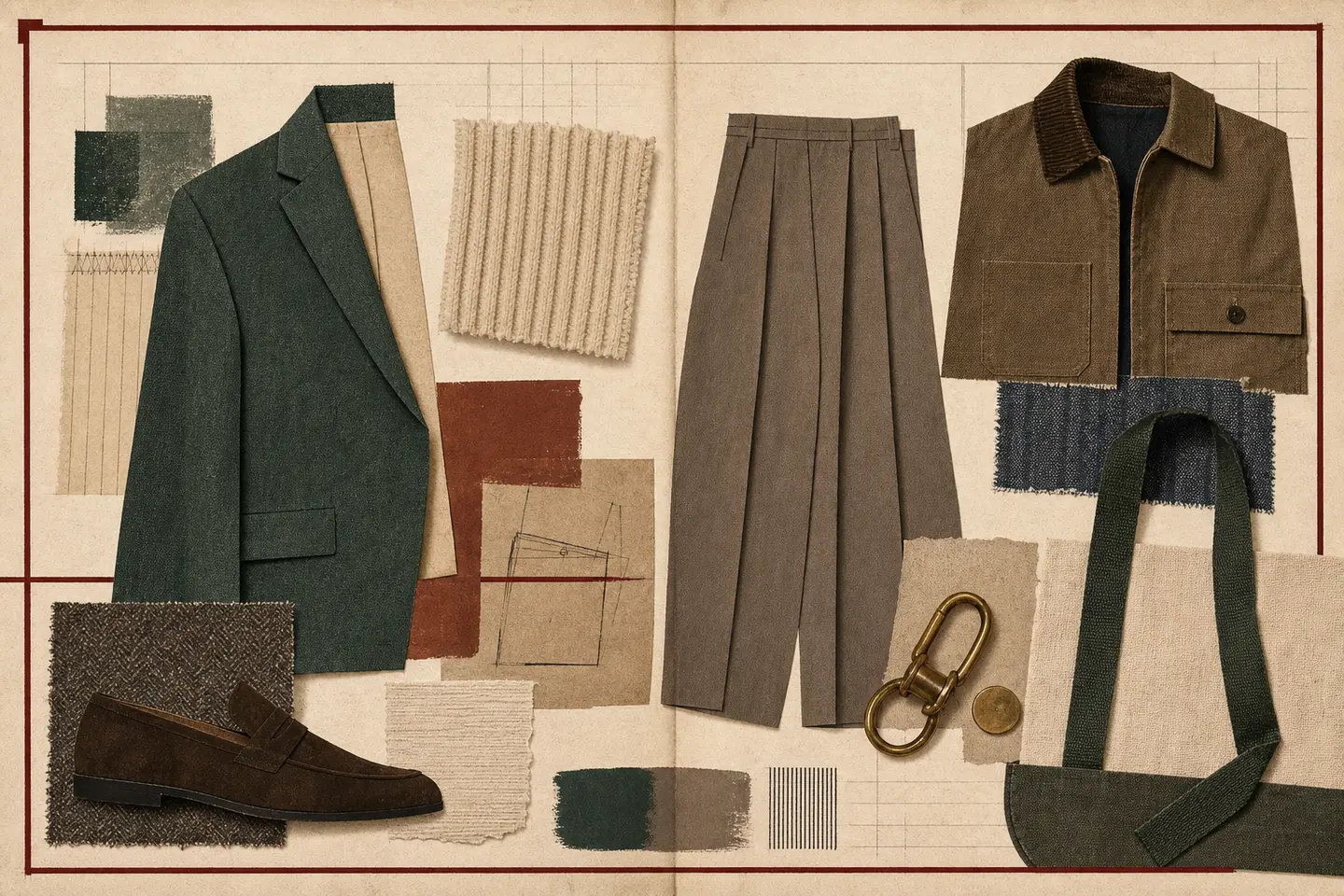
Men’s fashion in 2023 moved towards relaxed proportions, practical layers and familiar clothes worn in less rigid ways. Wider trousers replaced narrow cuts, tailoring softened, and workwear details appeared beside knitwear and polished shoes. The useful lesson is not to recreate a dated head-to-toe look, but to understand how fit, texture and contrast made these clothes work.
Reports on Fall 2023 menswear collections showed how adaptable clothing could cross casual and smarter settings. A roomy blazer could sit over a T-shirt; pleated trousers could work with trainers; a chore jacket could replace a conventional casual coat. These combinations remain practical because they depend on proportion rather than novelty.
Start with a relaxed silhouette
The central change was extra room through jackets and trousers. Relaxed did not mean buying every garment several sizes too large. A jacket still needed to sit securely at the neck, and sleeves still needed to finish near the wrist. Trousers could be fuller through the thigh, but the waistband had to stay in place and the hem needed a deliberate length.
When one garment carries most of the volume, keep the rest controlled. Wide trousers work well with a neat knit polo, tucked T-shirt or waist-length jacket. A roomy overcoat is easier to balance with straight trousers than with an equally oversized lower half. This creates contrast while preserving a clear outline.
Choose wide trousers carefully
Pleated wool trousers, relaxed chinos, straight denim and carpenter trousers all expressed the wider shape. A mid- or high-rise waist defines the body and gives the leg a clean starting point. Fabric should fall rather than cling: cotton twill, denim and medium-weight wool usually hold their line better than thin material.
- Let the hem skim the shoe or form one controlled break.
- Use a belt only when it complements the outfit rather than correcting poor fit.
- Pair substantial trousers with loafers, derby shoes, boots or sturdy trainers.
- Alter the waist and hem instead of accepting excess fabric in the wrong places.
Use softer tailoring
Tailoring became easier to wear when jackets lost heavy padding and trousers gained room. An unstructured single-breasted blazer can work with a knitted polo, plain shirt or clean T-shirt. The effect is polished, but less formal than a closely fitted suit with a stiff shirt.
Coverage of 2023 menswear trends highlighted more expressive approaches to established wardrobe pieces. The most versatile interpretation is restrained: begin with navy, charcoal, brown or olive, then vary texture and proportion. A blazer with dark straight jeans is useful for informal occasions, while its matching trousers can be worn with knitwear.
Check movement before judging the look. Button the jacket, reach forward and sit down. Pulling across the back, collapsing lapels or a waistband that digs in will not improve with styling. Comfortable tailoring looks more natural because the wearer is not constantly adjusting it.
Balance short and long outerwear
Two contrasting shapes stood out: cropped jackets and longer, roomier coats. A waist-length bomber, trucker or work jacket lengthens the visible leg line, particularly above higher-rise trousers. A long overcoat adds weight and a strong vertical line, especially over simple knitwear and straight trousers.
The shoulder and sleeve reveal whether an oversized coat is intentional. There should be room for a layer underneath, but cuffs should not cover the hands and the collar should not gape. With cropped outerwear, make sure the shirt hem or waistband creates a tidy transition rather than an accidental strip of fabric.
Useful combinations include a short dark jacket with grey pleated trousers, a denim jacket with ecru jeans, or a wool coat over a fine knit and straight dark trousers. Each outfit contains one dominant proportion and a quieter supporting shape.
Build depth with workwear and knitwear
Chore coats, overshirts, carpenter trousers and utility pockets brought functional detail to casual dressing. Their appeal comes from durable fabric and straightforward construction. Limit workwear references to one or two pieces so the outfit reads as everyday clothing rather than a costume.
Knitwear softens these harder fabrics. Fine-gauge crewnecks and polos suit tailored trousers; textured cardigans and heavier sweaters sit naturally with denim or canvas. Fit remains important: the shoulder seam should look intentional, cuffs should hold their shape, and the body should finish near the waistband rather than hang far below it.
Fall and winter menswear coverage identified workwear and athleisure among the season’s relevant directions, both of which worked well with practical knit layers.
Texture is especially useful in a neutral outfit. Brushed cotton, corduroy, wool, suede and denim create contrast without requiring several colours. Keep delicate knits away from rough fastenings and sharp bag hardware, and follow the care label so the garment keeps its shape.
Choose a controlled colour palette
Olive, stone, camel, charcoal, navy, cream and deep brown formed a dependable base for the period. These shades combine easily and make differences in texture more visible. Try an olive overshirt with an ecru T-shirt and dark trousers, or a camel coat with charcoal knitwear and black boots.
Bright colour worked best as a single focal point. A vivid knit, shirt, cap or pair of trainers can lift a neutral outfit without competing with another statement item. If stronger colour feels unfamiliar, repeat a quieter version elsewhere: a blue shirt beneath a navy jacket, for example, creates connection without looking matched.
Patterns need the same discipline. Stripes, checks and small geometric motifs are easiest to wear on one garment, supported by plain layers. The Fall 2023 menswear shift toward tailoring, neutral colors, and preppy dressing placed classic patterns beside cleaner silhouettes. Scale matters: a bold shirt calls for simple trousers, while checked trousers benefit from a solid knit or plain overshirt.
Select versatile footwear and accessories
Loafers gave wide trousers and relaxed tailoring a clean finish. Simple trainers kept the same clothes casual, while boots added weight beneath denim and workwear. Match the visual weight of the shoe to the trouser: a very narrow shoe can disappear under a broad hem, while a heavy sole may overwhelm light summer fabric.
Comfort and condition matter more than category. Check that the heel stays secure, the toes have space and the sole suits the surfaces you use. Clean uppers, sound stitching and maintained leather make even casual footwear look deliberate.
Accessories were most useful when they served a purpose. A structured tote suits tailored clothing; a compact crossbody or messenger bag works with casual layers. Choose enough capacity for daily essentials without carrying unused bulk. A watch, ring, chain or cap can add detail, but two quiet accents usually integrate more easily than several competing ones.
Dress for the season
Spring and summer
Warm-weather outfits need breathable fabrics and fewer layers, not simply lighter colours. Cotton T-shirts, knitted polos and open-collar shirts work beneath unlined jackets or overshirts. Linen-blend trousers and relaxed chinos allow movement, although a small amount of structure helps them hang cleanly.
A useful outfit might combine stone trousers, a navy knit polo and loafers, or straight denim, a plain T-shirt and a lightweight chore jacket. Keep one layer removable so the outfit can adapt between outdoors, transport and indoor spaces.
Autumn and winter
Cold-weather dressing depends on layers with different jobs. Start with a comfortable base, add a knit or overshirt for insulation, then use an outer layer that handles wind or rain. Wool trousers, brushed cotton, corduroy and dense denim provide texture as well as warmth.
Do not make every layer equally thick. A fine knit beneath a cardigan and coat leaves more freedom of movement than several bulky pieces. Wider trousers can balance a short jacket; straighter trousers keep a long coat from dominating the body.
Build a wardrobe without chasing every trend
Start with what you already wear. Identify a gap, such as trousers that work with both knitwear and tailoring, before buying a trend-led piece. Then test it with at least three existing outfits. This exposes awkward colours, duplicate functions and poor proportions before they become permanent wardrobe clutter.
A practical core might include dark straight jeans, fuller tailored trousers, a plain overshirt, a fine knit, an unstructured blazer and weather-suitable shoes. The exact list should reflect climate, dress codes and routine. Someone who rarely wears tailoring will gain more from a reliable jacket than from a formal suit.
Introduce one change at a time. Pair wide trousers with a familiar Oxford shirt, or wear a work jacket over dark denim and a grey knit. Advice on 2023 revival of pleats and monochrome dressing offers two routes that can be adapted without replacing an entire wardrobe.
Finally, judge clothes in motion and in combination. Sit, walk and reach; check the silhouette from the side; and photograph the outfit in ordinary light. Keep the pieces that fit comfortably, support several combinations and suit daily life. That approach preserves the useful ideas behind 2023 menswear after the trend label itself has passed.