
Gazen Ergos field note
Men’s Fashion Casual
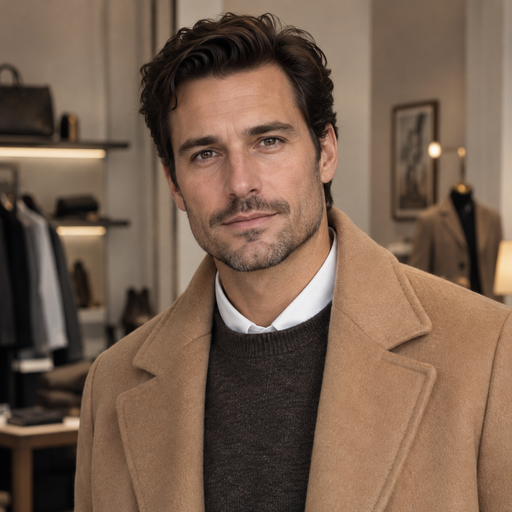
By Milan Petrov
Good casual dressing depends on fit, useful layers and a limited palette, not a large wardrobe. A few compatible T-shirts, shirts, trousers, jackets and sh
Field note published August 14, 2026.
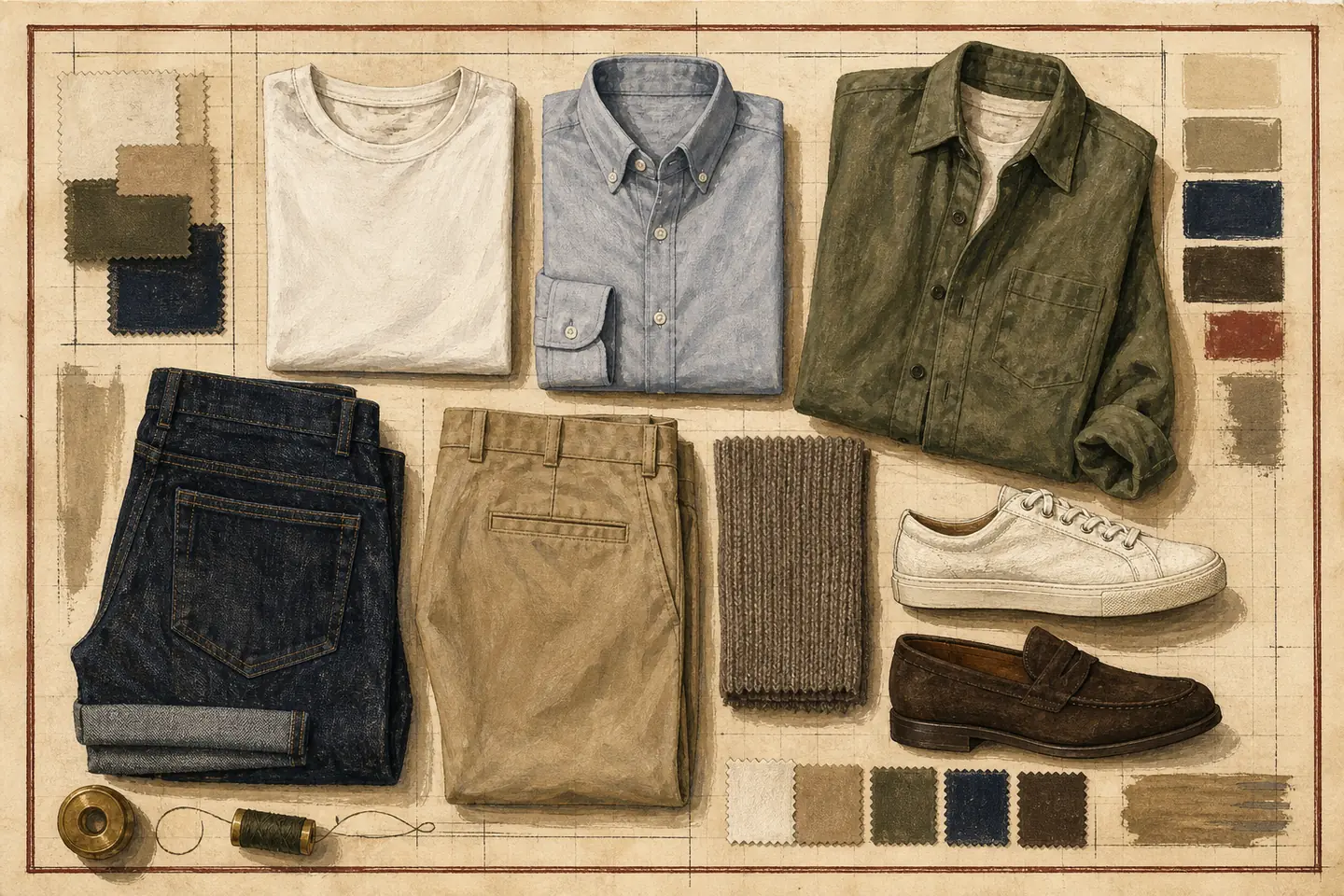
Good casual dressing depends on fit, useful layers and a limited palette, not a large wardrobe. A few compatible T-shirts, shirts, trousers, jackets and shoes can cover ordinary weekends, travel, informal meals and many relaxed workplaces. The aim is to look considered while remaining comfortable enough for the day ahead.
Start with what you already wear. Notice which garments fit well, which colours combine easily and which shoes suit your routine. This gives every later purchase a purpose and prevents a wardrobe full of pieces that work only in one outfit.
Build a Dependable Foundation
A useful casual wardrobe begins with neutral colours such as navy, charcoal, olive, stone, cream, white and medium-blue denim. They do not need to make up every outfit, but they create a base that accepts muted red, rust, forest green or another accent without becoming difficult to coordinate.
Choose enough core garments to cover your normal washing cycle rather than following a fixed shopping list. Useful categories include:
- Plain crew-neck T-shirts in cotton of a comfortable weight
- Dark and mid-wash jeans with an uncomplicated finish
- Chinos or casual trousers in navy, olive or stone
- An Oxford shirt, chambray shirt or similarly relaxed button-down
- A sweatshirt and a fine or medium-gauge jumper
- An overshirt, denim jacket or simple lightweight coat
- Clean trainers and one pair of boots, loafers or plain shoes
Each item should work with several things you own. Dark jeans, for example, can sit beneath a white T-shirt and overshirt, a pale shirt and jumper, or a sweatshirt and light jacket. That flexibility matters more than having several near-duplicate garments.
Get the Fit Right
Fit is easiest to judge at the parts of a garment that are difficult to alter. A T-shirt or shirt should meet the edge of the natural shoulder without pulling across the chest. The body may skim rather than cling, with enough room to sit, reach and bend comfortably.
Trouser waistbands should stay in place without being pulled tight by a belt. Fabric should lie smoothly across the seat, while the leg should follow the body without gripping the thigh or billowing around the calf. At the hem, a small break or a clean meeting with the shoe is easier to wear than heavy bunching.
Outer layers need room for what goes underneath. Try an overshirt over a T-shirt and a coat over the thickest jumper you expect to wear. If the shoulder and chest fit correctly, sleeve and trouser length can often be adjusted. Major shoulder changes are rarely straightforward, so buy for that area first.
Proportion matters as much as closeness. A roomy shirt can work with straight trousers, and wider trousers often look balanced beneath a shorter jacket. Avoid making every part of the outfit extremely loose or tight. Mastering casual menswear provides another detailed view of fit and proportion.
Use Colour, Texture and Layers
A simple method is to combine two neutral colours with one accent. Navy trousers, an off-white T-shirt and an olive overshirt form a calm outfit; a burgundy cap or muted scarf could add interest without competing with it. Repeating one colour in a small detail can make separate pieces feel connected, but exact matching is unnecessary.
Texture keeps restrained colours from looking flat. Smooth cotton works well beside denim, brushed flannel, corduroy, canvas, suede or ribbed knitwear. Use one or two noticeable textures at a time. A checked overshirt already adds pattern and visual detail, so the shirt and trousers beneath it can remain plain.
Layers should be easy to remove and should become slightly roomier towards the outside. A T-shirt, overshirt and lightweight jacket offer more control than one bulky garment during changeable weather. Keep collars, cuffs and hems visible only where they add a clean edge; too many competing lines make an outfit feel crowded.
Reliable Outfit Formulas
T-Shirt, Denim and a Light Layer
Pair a plain T-shirt with straight or slim-straight jeans and low-profile trainers. Dark denim looks more polished for an evening or an informal workplace, while a lighter wash feels relaxed during the day. Add an overshirt, bomber jacket or denim jacket when needed. If both the jacket and jeans are denim, vary their colour enough to create separation.
Shirt and Chinos
A pale blue or white casual shirt works with navy, olive or stone chinos. Leave it untucked when the hem is short and fairly even; tuck it when the shirt is longer or the setting is smarter. Rolled sleeves can reduce formality, but keep the roll neat and below the elbow. Finish with clean trainers, suede shoes or loafers.
Knitwear and Casual Trousers
A crew-neck jumper over a T-shirt or collared shirt adds warmth without requiring formal tailoring. Combine a navy, grey or earth-toned knit with dark jeans or pleated casual trousers. A visible shirt collar makes the outfit smarter; a T-shirt keeps it relaxed. Smart casual outfit guidance for men helps explain how small changes in shoes, fabric and layering affect formality.
Dress for the Weather
In warm conditions, prioritise breathable fabrics and an easy shape. Cotton T-shirts, linen-blend shirts, lightweight polos and unlined overshirts allow air to move. Shorts should sit securely at the waist and leave room through the thigh. Canvas trainers, loafers or secure sandals suit different levels of formality, but footwear should still be practical for the amount of walking planned.
Cold-weather outfits work best as a sequence of layers. Begin with a comfortable base, add a sweatshirt, flannel shirt or wool jumper, then choose an outer layer for the actual wind and rain. Heavy chinos, denim and corduroy provide more substance below. The coat must close without pulling when worn over the middle layer.
Spring and autumn call for adaptable pieces. An overshirt, chore-style jacket or light rain shell can handle a cool morning and be carried later. Water-resistant shoes are more useful on damp days than delicate suede or absorbent canvas. Let the forecast and the day’s activities determine the fabric, rather than dressing for the season in the abstract.
Choose Footwear and Accessories with Purpose
Shoes set the tone of a casual outfit. Plain trainers keep jeans and chinos relaxed. Chelsea boots, lace-up boots and simple derby shoes add structure, while loafers sit comfortably between weekend and smart-casual dress. A low-profile shape is generally easier to combine than an exaggerated sole or heavily decorated upper.
Fit and comfort come first. The heel should remain stable, the toe box should allow movement and the shoe should suit the distance and surface involved. A shoe described as versatile is of little use if it causes discomfort after a short walk. Comfortable men’s dress shoes tested during workdays and travel offers useful points to consider when comparing construction and comfort.
Accessories should solve a problem or complete the outfit quietly. Match a leather belt broadly to the tone of leather shoes rather than chasing an exact shade. Choose a watch that suits daily wear, a bag sized for what you carry and weather-appropriate sunglasses or headwear. One noticeable accessory is usually enough.
Buy Carefully and Maintain What You Own
Before buying, identify the garment’s role and picture at least three combinations with existing pieces. Check whether the fabric feels suitable for its intended season, whether seams lie flat and whether buttons, zips and pockets feel secure. Natural fibres can be comfortable, but fibre name alone does not prove durability; fabric weight, construction and care also matter.
Read the care label before washing. Separate colours where needed, avoid excessive heat and reshape garments before drying. Fold knitwear so hangers do not stretch the shoulders. Let shoes dry between wears, brush away dirt once it is dry and deal with small repairs before they become large ones.
Review the wardrobe occasionally. Tailor useful pieces that are close to fitting, repair favourites and remove items that are uncomfortable or impossible to combine. When a genuine gap appears, replace it deliberately. Casual style becomes consistent when clothes fit the body, suit the setting and earn regular wear.